Smoking is harmful to health

Minors are prohibited from purchasing and using
Please show your ID card when purchasing
E-cigarettes, as a modern alternative to traditional smoking, rely heavily on the consistent performance of their core component: the vape pod. Many users have experienced situations where a pod suddenly stops working or produces significantly less vapor. One frequently overlooked culprit is air bubbles.
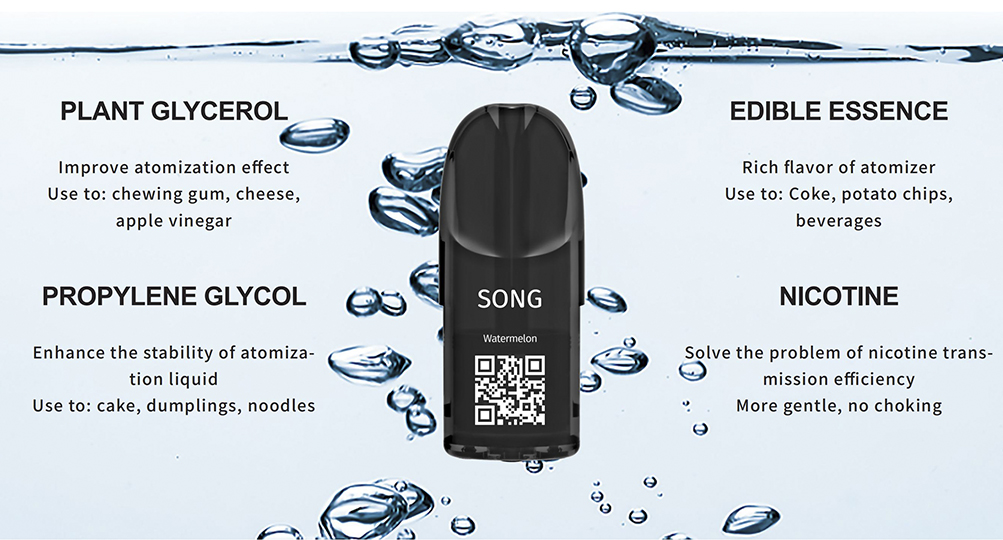
How Do Air Bubbles Affect Pod Function?
A vape pod typically contains e-liquid, a heating coil (atomizer core), and wicking material. When air bubbles become trapped in critical areas, they can interfere with normal operation in the following ways:
1. Wicking Channel Blockage: Pods rely on capillary action to draw e-liquid to the coil. If a bubble blocks the wicking cotton or the narrow e-liquid channels, the juice cannot reach the heating element efficiently. This leads to dry hits (burning taste) or a drastic reduction in vapor production.
2. Reduced Atomization Efficiency:The coil requires consistent contact with e-liquid to heat and vaporize it evenly. Air bubbles create a barrier, causing localized overheating, which can result in a burnt taste or incomplete vaporization.
3. Poor Electrical Contact: Some pod designs include small sensors for liquid level detection or circuit connections. Air bubbles can disrupt these electrical signals, potentially triggering the device's protection mechanism and causing it to shut down.
Where Do These Bubbles Come From?
Air Introduced During Filling: Quickly filling or tilting the pod while refilling can trap air inside.
Extreme Temperature Changes: Weather fluctuations or holding the device for long periods can cause the e-liquid to expand and contract, drawing in air and forming bubbles.
Movement and Shaking: Carrying the vape in a pocket or bag can jostle it, causing tiny air pockets to coalesce into larger bubbles.
Pod Degradation: Worn-out seals (O-rings) or a loose structure in an aging pod can allow air to seep in more easily.
How to Prevent and Fix Bubble-Related Issues?
Prevention Tips:
Fill Carefully and Upright: Inject e-liquid slowly and vertically to minimize air introduction.
Let It Settle: After refilling or if a pod has been stored, let it stand upright for 5-10 minutes. This allows bubbles to rise naturally to the top, away from the coil.
Avoid Temperature Extremes: Try not to leave your device in very hot (like a car) or very cold environments for extended periods.
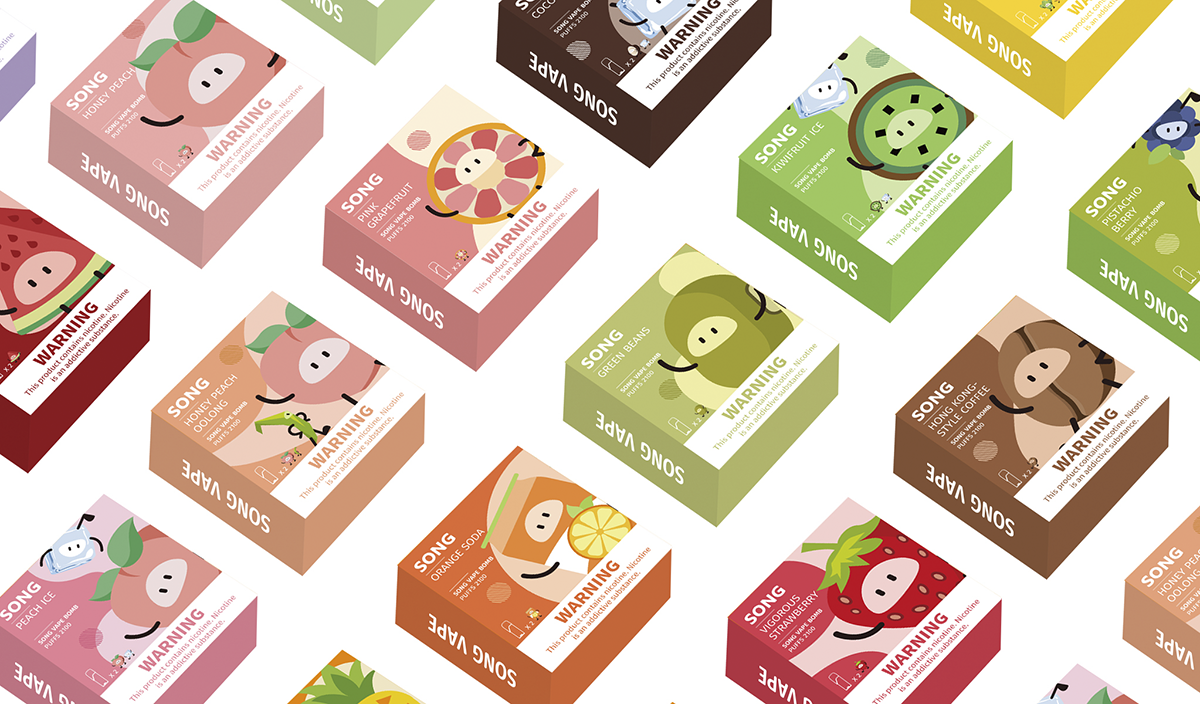
Choose Quality Products: Brands that prioritize design and manufacturing quality, such as those you might find recommended at reputable USA online vape stores, often engineer their pods to minimize this issue. For instance, pods from brands like Song Vape utilize better sealing and wick structure designs that significantly reduce the chance of problematic bubble formation. This is a key factor to consider, even when looking for an affordable option like a cheap vape starter kit—quality construction matters for performance.
Quick Fixes:
1.The Flick: Gently flick the side of the pod with your finger to dislodge bubbles from the wicking areas.
2.The Tap & Absorb: Lightly tap the mouthpiece end on a paper towel; the absorbent material can help draw e-liquid (and displace bubbles) into the wick.
3.Reposition: Turn the pod upside down (mouthpiece facing the ground) briefly, then upright again. Sometimes, repositioning helps the bubble move to a less critical area.
The Role of Quality Design in User Experience
It's important to highlight that the overall design and manufacturing precision of an e-cigarette are crucial in preventing bubble-related problems. Taking Song Vape as an example of a brand noted for its attention to detail, their pods incorporate specific optimizations:
Precision Sealing: High-quality silicone seals and a snug fit prevent air ingress during regular use.
Optimized Wicking: Their coil and wick design promotes consistent e-liquid flow, helping to manage any minor bubbles that may form.
Consistent Performance: This focus on design details translates to reliable vapor production, which is especially enjoyable when paired with a crisp fruit flavor vape juice, as the true taste profile is delivered without interruption.
Special Cases: When Is It NOT the Bubbles' Fault?
While bubbles are a common issue, pod failure can have other causes:
End of Coil Life: Atomizer coils degrade and need replacement, typically after 1-3 weeks of use.
Connection Issues: Dirty or oxidized contact points between the pod and battery.
Low Battery: Insufficient power can cause weak performance.
High-Viscosity E-Liquid: Thicker juices (common in winter or certain flavors) may wick slower, mimicking bubble-related issues.
Conclusion
Air bubbles, though small, can be a significant "hidden killer" of vape pod performance. Understanding their cause and applying the proper handling techniques can prevent or resolve most related problems. Investing in well-designed pods from quality brands available at trusted USA online vape stores—whether you're buying a replacement or a complete cheap vape starter kit—can make a substantial difference in reliability. For instance, brands like Song Vape demonstrate how engineering focus can minimize such frustrations.
When prevention methods don't work, it's time to troubleshoot other potential faults. Good usage habits, combined with quality equipment, not only enhance your vaping experience—allowing you to fully savor the nuance of a fruit flavor vape—but also extend the lifespan of your pods. In today's evolving world of vaping technology, choosing a product built with thoughtful details ensures a smoother, more enjoyable, and consistent experience with every puff.
*Disclaimer: This article is for informational purposes only and does not constitute medical advice. Vaping products contain nicotine, an addictive substance. The use of vaping products is prohibited for those under 21. Pregnant or breastfeeding women and individuals with pre-existing health conditions should consult a doctor before use. Keep vaping products out of reach of children and pets.